Beyond Newgrange: Hidden Castles, Ancient Sites, and Quiet Roads in Ireland’s Boyne Valley
Ireland’s Ancient East is filled with famous landmarks, but some of its most memorable experiences happen just beyond the well-trodden stops. Between the sweeping history of the Boyne Valley and the quieter corners of Westmeath, travelers can uncover everything from prehistoric passage tombs to castle kitchens frozen in time.

This article is based on podcast episode 342 featured Richard Ball, owner and host at Johnsfort farm stays in County Westmeath.
Use the player below to listen or scroll to continue reading the article and get resource links.
Podcast: Play in new window | Download
Subscribe: Apple Podcasts | Spotify | Amazon Music | Android | iHeartRadio | RSS
Boyne Valley and Westmeath travel tips for curious travelers
Richard Ball has spent his life on the Meath-Westmeath border, in the very heart of Ireland’s historic landscape. From his family farm near Kells, he welcomes visitors looking for a slower, more personal way to explore this region.
It’s an area where history layers itself naturally into the countryside. One minute you’re standing beside a Neolithic cairn older than the pyramids, and the next you’re pulling into a tiny village pub where everyone wants to know where you’re from and how you found the place.
For travelers based in Dublin, the region is surprisingly accessible. Kells sits about an hour northwest of Dublin city center, making it easy to include on a short itinerary or a longer road trip through Ireland’s Ancient East.
Pro Tip: most Boyne Valley sites are managed by the OPW. Consider an OPW Heritage Card if you plan to visit multiple historic sites during your Ireland vacation.
Why the Boyne Valley deserves more than a quick day trip
Many visitors try to squeeze the Boyne Valley into a single whirlwind day. It can be done, but it barely scratches the surface.
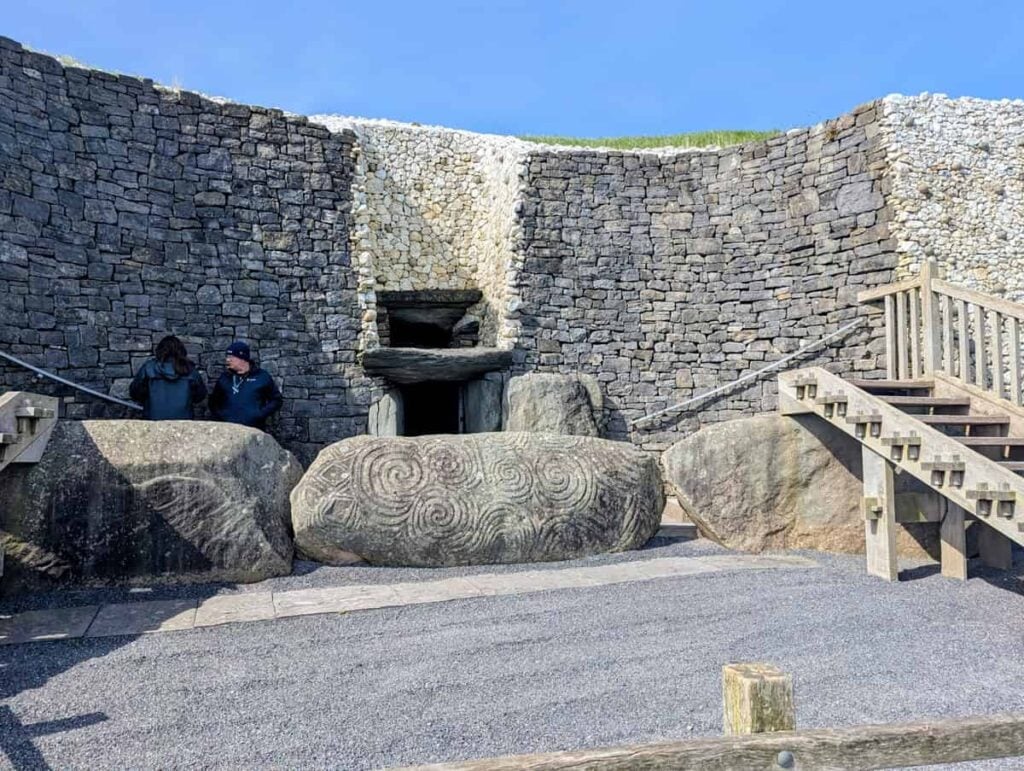
The familiar itinerary usually includes Newgrange, the Hill of Tara, and perhaps Trim Castle. Those sites absolutely deserve their reputation. Newgrange remains one of Ireland’s most extraordinary prehistoric monuments, while the Hill of Tara still carries the atmosphere of ancient power and mythology.
But the beauty of the Boyne Valley lies in everything between the headline attractions.
Near Newgrange, the Battle of the Boyne site tells the story of one of Europe’s most consequential battles before World War I. Nearby Monasterboice quietly impresses visitors with its remarkable high crosses, especially Muiredach’s Cross, considered one of the finest in Ireland.
Then there’s Slane, where the ruined monastery atop the Hill of Slane looks out across the countryside that helped shape early Christian Ireland. The village itself has become increasingly well known thanks to Slane Castle concerts and recent television productions filmed there.
Kells offers another layer of history. Best known for the famous Book of Kells, the town still retains monastic ruins and high crosses connected to its early medieval past. It also has one of the more unexpected sights in Ireland: a lighthouse sitting roughly 40 miles from the sea. The Spire of Lloyd was built simply because its owner liked the idea of having a lighthouse on his property.
Plan Your Trip, Not Just Your Stops
Articles like this highlight a few great options — but they’re just a small part of what Ireland offers.
The Ireland Travel Compass brings together hundreds of places across the country and helps you understand how to combine them into a trip that feels balanced and easy to navigate.

Trim Castle and Ireland’s Norman history
For travelers who enjoy castles, Trim often becomes a favorite surprise.
Trim Castle dominates the center of town, its massive stone walls reflecting the power of Norman Ireland. Built between 1174 and 1205, it remains the largest Norman castle in the country.
The guided tour gives visitors access to areas that reveal how the castle once functioned defensively and politically. Film fans may also recognize it from Braveheart, though the castle’s own history easily overshadows its Hollywood connections.
Beyond the castle itself, Trim has a relaxed charm that encourages lingering. The River Boyne winds through town, cafés spill onto the streets, and the overall pace feels pleasantly unhurried.
Discovering Westmeath beyond Athlone
Westmeath tends to get overlooked by travelers hurrying between Dublin and Galway. Often, Athlone and a quick stop at Sean’s Bar become the county’s entire experience.
That’s a shame because some of the region’s most rewarding places sit quietly off the main roads.
Loughcrew Cairns and panoramic views across Ireland
Loughcrew Cairns may be one of the most atmospheric prehistoric sites in Ireland.
The climb to the cairns is part of the experience. At the summit, visitors are rewarded with panoramic views stretching across the patchwork fields of Meath and Westmeath. It’s the sort of landscape many people picture before ever arriving in Ireland — rolling green hills, stone walls, winding roads, and scattered farms.
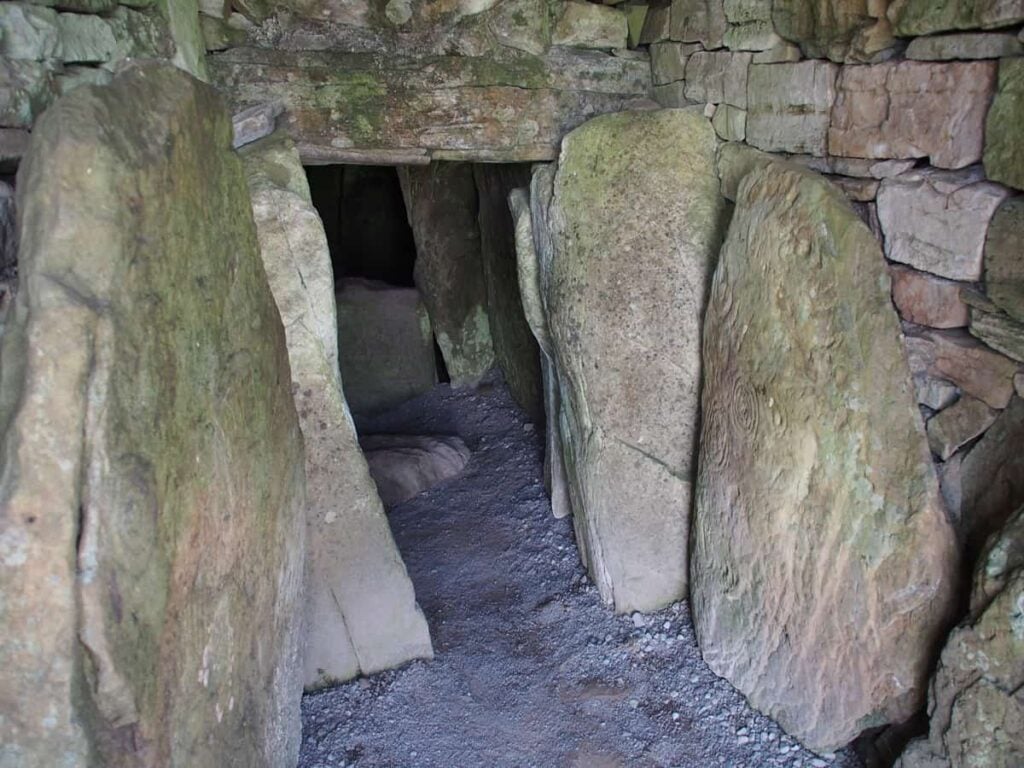
Cairn T, the best-known tomb at Loughcrew, dates back more than 4,500 years. Even travelers who have already visited Newgrange often find Loughcrew feels more personal and less crowded.
The surrounding countryside only adds to the appeal. Quiet roads weave through gentle hills that feel worlds away from busier tourist routes.

Clonmacnoise and the peaceful side of Ireland’s monastic history
Not far from Athlone, Clonmacnoise offers a completely different atmosphere from some of Ireland’s larger historic sites.
Set beside the River Shannon, the ancient monastery feels remarkably serene. Round towers, ruined churches, weathered gravestones, and grazing swans create a setting that almost encourages visitors to slow down and stay awhile.
Late afternoon can be especially lovely, when the light softens over the river and the site grows quieter.
For travelers crossing Ireland between east and west, it’s an easy detour that rarely disappoints.
Staying at Johnsfort in County Westmeath
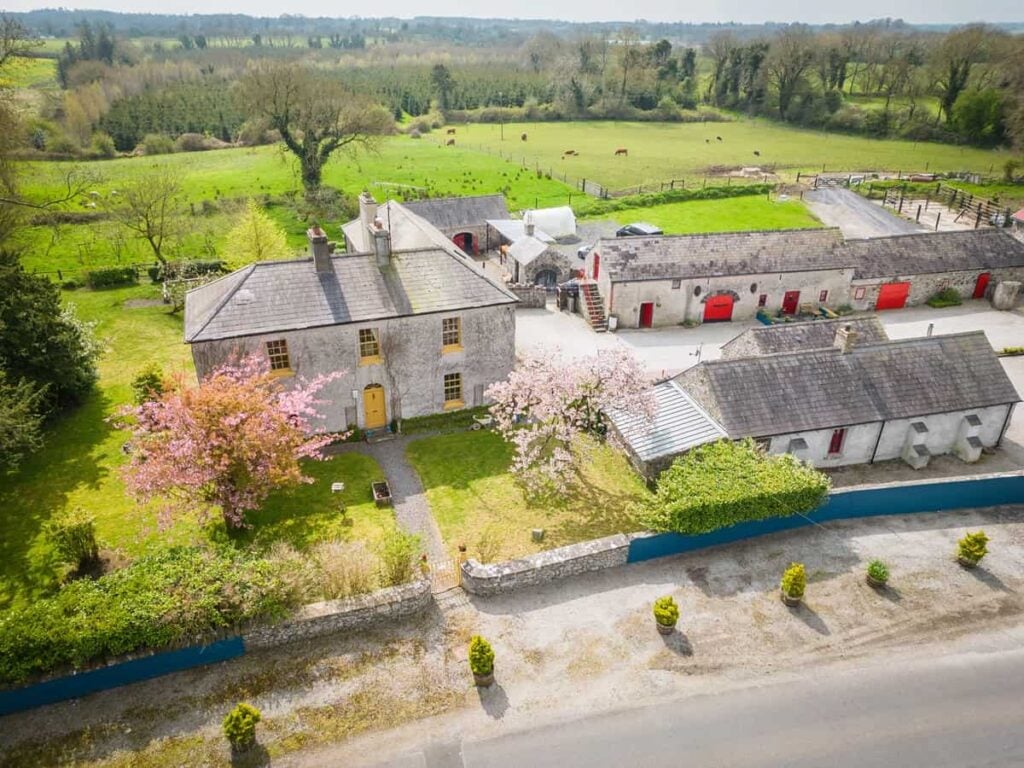
Richard and his wife Barbara have transformed part of their family farm into a boutique-style farm stay known as John’sfort.
Rather than simply offering accommodation, they’ve created an immersive experience that combines rural Ireland, local history, and personalized touring.
Guests stay in restored farm buildings that blend traditional character with modern comfort. Marianne Cottage and Bartholomew’s Loft both have 2 bedrooms and sleep up to 5 guests.
During the week, Richard guides visitors through the surrounding counties, tailoring experiences to their interests. Some days focus on iconic destinations like the Cliffs of Moher. Others might include genealogy visits, surfing, hidden historical sites, or simply wandering scenic back roads most tourists never discover.
Back at the farm, guests can walk among Highland cows, sheep, and hens before joining Barbara for traditional Irish brown bread baking.
It’s exactly the kind of experience many travelers hope to find in Ireland but often struggle to locate on their own.
For more information website: https://johnsfort.ie or visit the social media accounts on Facebook or Instagram.
Three memorable places most visitors miss in the Boyne Valley and Westmeath
Some of Richard’s favorite recommendations are the places travelers rarely stumble upon accidentally.
Fourknocks Passage Tomb
Fourknocks feels wonderfully untouched.
Visitors collect a key locally before entering the ancient passage tomb themselves. While smaller than Newgrange, it offers a far more intimate experience. Standing alone inside a 4,500-year-old chamber, studying carved stones without crowds or time limits, creates a very different connection to Ireland’s prehistoric past.
Fore Abbey and the Seven Wonders of Fore
Fore Abbey sits tucked into a quiet valley in Westmeath, surrounded by ruins, stories, and an unmistakable sense of atmosphere.
The abbey itself dates to the early medieval period, though much of what visitors see today reflects centuries of change and dissolution after Henry VIII.
What makes the visit especially memorable is pairing it with the tiny Seven Wonders pub nearby. Travelers can borrow the key to the old mausoleum overlooking the valley, then return afterward for a pint and conversation with locals.
It’s the kind of experience that turns into a favorite memory long after a trip ends.
Tullynally Castle and its Downton Abbey atmosphere
Tullynally Castle offers one of Ireland’s best glimpses into grand estate life.
The guided tour moves through elegant drawing rooms, libraries, and ballrooms before descending into the original kitchens and servant areas below stairs. Because the kitchens were simply closed off and preserved in the 1960s, much of the original working space remains intact.
The estate gardens add another layer to the visit, filled with trees collected from around the world over generations.
It’s easy to understand why visitors compare the experience to stepping into a period drama.

Start planning your own route
The Ireland Travel Compass brings together hundreds of places across the country and helps you turn ideas like these into a trip that fits your time and travel style.
For travelers willing to slow down and wander beyond Ireland’s biggest attractions, the Boyne Valley and Westmeath reward curiosity at every turn. The castles may be impressive, but it’s often the quiet roads, local conversations, and unexpected discoveries that leave the strongest impression.